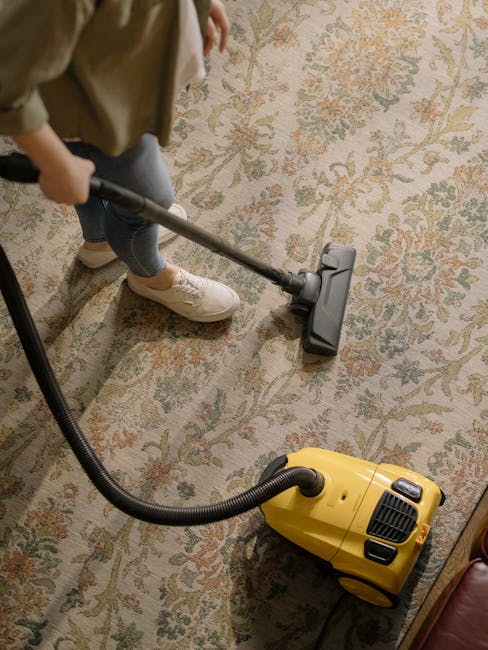
Fulham Road rug cleaning options near Earls Court: a practical guide for choosing the right service
If you live, work, or rent along Fulham Road and you're weighing up rug cleaning options near Earls Court, you're probably not just looking for a quick refresh. You want a rug that looks better, smells cleaner, dries properly, and keeps its fibres intact. Fair enough. A good rug can anchor a room; a poor clean can leave it flat, patchy, or worse, damaged.
This guide walks through the real-world choices available, how the process usually works, what to look for in a service, and when a rug really needs professional attention rather than a DIY attempt. We'll also cover costs, common mistakes, and a few practical checks that help you avoid the usual headaches. If you're comparing rug cleaning in SW5 with a broader carpet cleaning or stain removal service, you'll find that here too.
And yes, if you've ever looked at a wool rug after a rainy London week and thought, "Right, this needs sorting," you're in the right place.
Table of Contents
- Why Fulham Road rug cleaning options near Earls Court Matters
- How Fulham Road rug cleaning options near Earls Court Works
- Key Benefits and Practical Advantages
- Who This Is For and When It Makes Sense
- Step-by-Step Guidance
- Expert Tips for Better Results
- Common Mistakes to Avoid
- Tools, Resources and Recommendations
- Law, Compliance, Standards, or Best Practice
- Options, Methods, or Comparison Table
- Case Study or Real-World Example
- Practical Checklist
- Conclusion
- Frequently Asked Questions
Why Fulham Road rug cleaning options near Earls Court Matters
Rugs pick up more than dirt. They collect dust, grit, pollen, food crumbs, pet hair, spills, and the kind of everyday wear that you stop noticing until one day you do notice it, all at once. On busy London streets near Earls Court, that usually happens faster than people expect. Shoes bring in fine grit. Open windows bring in dust. Dogs, deliveries, and occasional coffee mishaps do the rest.
Choosing the right rug cleaning option matters because rugs are not all built the same. A hand-knotted wool rug, a synthetic runner, a vintage Persian piece, and a modern flatweave all respond differently to moisture, agitation, and cleaning chemistry. The wrong method can cause colour bleed, shrinkage, fibre distortion, or a lingering damp smell that never quite goes away.
There's also the simple matter of value. Rugs often cost more than people realise, especially if they're natural fibre, made in a certain style, or bought to last. A proper clean helps protect that investment and can extend the life of the rug by removing grit that slowly abrades the pile. That gritty-sandpaper effect is sneaky. It's one of those things you can't see, but you can absolutely feel over time.
For households, landlords, and small businesses near Fulham Road, rug cleaning is often part of a bigger maintenance picture. A clean rug pairs well with house cleaning, deep cleaning, or even a one-off reset after guests, tenants, or building work. Truth be told, once a space feels fresher underfoot, the whole room changes.
How Fulham Road rug cleaning options near Earls Court Works
Most rug cleaning services follow a fairly similar broad process, though the detail changes depending on the material and the condition of the rug. In normal practice, the cleaner will identify the fibre type, test for colour fastness, inspect stains, and decide whether the rug should be cleaned on-site or taken away for a more controlled treatment.
For many rugs, the first step is a dry soil removal stage. This matters more than people think. Loose grit is often the biggest source of wear, so removing it first protects the fibres before any wet cleaning begins. After that, the cleaner may use spot treatment for stains, low-moisture methods for delicate pieces, or hot-water extraction where the rug can tolerate it.
Some rugs can be cleaned as part of a wider steam carpet cleaning approach, but that doesn't mean steam is always the best answer. Rugs are often more sensitive than wall-to-wall carpet. A professional will usually adjust temperature, detergent strength, and drying time rather than applying one standard method to everything. That's the difference between care and guesswork.
If you are dealing with odours, pet incidents, or old spill marks, a targeted pet stain odour removal or stain removal treatment may be recommended alongside the main clean. The point is not to mask the problem. It is to treat the source properly so the smell or mark doesn't return on the first warm day.
Drying is the final piece, and it matters a lot. A rug that stays damp too long can develop odour, remain vulnerable to re-soiling, or even suffer texture changes. In our experience, clients are usually happiest when the whole process feels calm and methodical, not rushed. A good clean should leave the rug looking improved and feeling right. Not soggy, not overwet, not a bit suspicious.
Key Benefits and Practical Advantages
There are several reasons people choose professional rug cleaning instead of trying to sort everything with a bottle from under the sink. Some are obvious. Some are a bit more subtle.
- Better soil removal: professional methods remove embedded grit and dust that regular vacuuming leaves behind.
- Improved appearance: colours often look brighter once surface film and dulling residue are removed.
- Odour reduction: spill-related smells, pet odours, and general stuffiness can be tackled at the source.
- Longer rug life: less trapped grit means less fibre wear over time.
- Safer treatment for delicate materials: wool, silk blends, viscose, and antique pieces need careful handling.
- More practical drying: a proper service reduces the risk of lingering dampness.
There is another benefit people underestimate: peace of mind. If a rug is expensive, sentimental, or simply awkward to move, it feels better to hand it to someone who has cleaned similar items before. You don't want to be half-expecting a faded patch by evening.
For rentals and managed properties, rug cleaning can also support presentation standards. A tidy, fresh floor finish makes the whole room seem better kept, which matters for tenants, guests, and buyers alike. It's not magic. It just makes the place feel looked after.
If rugs are part of a larger refresh, it may make sense to combine them with sofa cleaning or upholstery cleaning. That often gives a more balanced result because the whole soft-furnishings palette improves together instead of one item looking brilliantly cleaned next to everything else.
Who This Is For and When It Makes Sense
This topic is especially relevant if you fall into one of the following groups:
- homeowners who want to protect a rug that gets everyday traffic
- renters who need a room to feel cleaner without replacing furnishings
- landlords or letting agents preparing for move-outs
- small offices or studios with decorative rugs in reception or meeting areas
- busy households dealing with children, pets, or recurring spills
- anyone with a rug that smells musty after storage or a damp spell
It makes sense to book rug cleaning when the rug looks flattened, has a persistent smell, shows traffic lanes, or has visible spots that vacuuming won't touch. If a rug sheds dirt when you tap it or vacuuming fills the bag much faster than usual, that's a clue too.
One common scenario near Earls Court is a stylish flat or maisonette with a statement rug in the living room. It looks lovely for years, then one winter it starts feeling dull and a bit tired. Usually it isn't ruined. It just wants a proper reset.
Another one: a small hospitality or office space where a rug is doing quiet hard work every day. People walk over it, set bags down, spill the odd drink, and forget it exists. Until it doesn't quite look right anymore. Then everyone notices. Funny how that works.
Step-by-Step Guidance
- Identify the rug material. Wool, cotton, silk, synthetic fibre, and blended rugs all need different handling. If you are unsure, don't guess. A fibre test or label check is worth the time.
- Check the condition. Look for loose fringe, colour bleed, worn edges, old repairs, odours, and any spots that have already been treated at home.
- Decide whether on-site or off-site cleaning is safer. Some rugs are fine to clean in place. Others, especially delicate or heavily soiled pieces, are better handled in a controlled setting.
- Ask about pre-treatment. Good rug cleaning often starts with dust removal and stain-specific pre-treatment rather than a single all-purpose spray.
- Confirm the cleaning method. Ask whether low-moisture, hot-water extraction, hand cleaning, or specialist stain work is likely to be used.
- Discuss drying time. You want a realistic estimate, not a cheerful shrug. Drying varies by fibre, pile depth, ventilation, and weather.
- Arrange the space. Clear the area around the rug, move small furniture if possible, and make access easy. It really helps.
- Inspect the result. Once clean and dry, check the edges, back, and pile direction. Good cleaning should feel even, not patchy.
If you're comparing local providers, take a moment to review company information too. Pages like about us, insurance and safety, and health and safety policy can tell you a lot about how a business works before anyone turns up at the door.
A small but useful tip: if a cleaner sounds certain about every rug before seeing it, be cautious. Proper rug care starts with inspection. Not bravado.
Expert Tips for Better Results
Here are the details that tend to separate a decent clean from a very good one.
- Vacuum first, properly. Dry soil removal is not optional. It protects the pile and improves the clean.
- Test for colour stability. Particularly on older or richly dyed rugs, a small test can prevent a major headache.
- Be careful with home spot cleaners. Some leave sticky residue or spread the stain. That is annoyingly common.
- Blot, don't rub. Rubbing can drive the spill deeper and distort fibres.
- Mind humidity. In a damp week, drying may take longer than expected. Plan for that rather than hoping it won't matter.
- Rotate rugs regularly. It helps avoid uneven wear and traffic patterns near doorways and seating areas.
- Pair rug care with room care. A newly cleaned rug in an otherwise dusty room won't stay fresh for long.
When rugs are part of a busy household, a recurring regular cleaning schedule can make more sense than waiting for visible dirt. That doesn't mean cleaning constantly. Just sensibly. Enough to stop grime from getting ahead of you.
And yes, this is one of those cases where a little restraint pays off. More chemical, more water, more scrubbing? Usually not the smart play. A careful hand tends to win.
Common Mistakes to Avoid
There are a few errors that show up again and again. Easy to make. Sometimes costly.
- Using the wrong method for the fibre. Wool is not synthetic. Silk is not the same as polypropylene. Obvious, perhaps, but often overlooked.
- Over-wetting the rug. This can cause slow drying, texture changes, backing problems, and odour.
- Applying bleach or harsh stain removers. These can strip dye or damage delicate fibres.
- Ignoring the backing. A rug's front may look fine while the reverse hides moisture damage or residue.
- Cleaning only the visible mark. Local spot treatment without a full clean can leave a tide line or patchy finish.
- Putting the rug back too soon. Even if it feels dry on top, the base may still be damp.
One slightly embarrassing but real mistake: people often move a rug back into place because the room looks "done" and then wonder why it smells a bit off the next day. Been there, seen that. Drying patience is boring, but it matters.
Tools, Resources and Recommendations
You don't need a toolbox the size of a small shed, but the right equipment and service pages help you make a better choice. For customers comparing services, it is useful to think in terms of task fit rather than brand claims.
Useful service types to consider, depending on the wider job:
- rug cleaning for the main treatment itself
- carpet cleaning if the whole flooring area needs attention
- deep cleaning for a broader reset of the room or property
- pet stain odour removal for animal-related marks or smells
- pricing and quotes if you want to understand the commercial side before booking
- payment and security if you prefer to check how payments are handled first
On the practical side, a few everyday tools still help a lot: a decent vacuum, white absorbent cloths, a soft brush for fringe, and a small fan for airflow. Nothing fancy. The fancy bit is knowing when to stop using DIY methods and hand the job over.
For homes where the rug is part of a broader housekeeping routine, it can also help to combine cleaning appointments with domestic cleaning, one-off cleaning, or even house cleaning. That keeps dust, crumbs, and surface grime from undoing the fresh result too quickly.
Law, Compliance, Standards, or Best Practice
Rug cleaning itself is not usually a heavily regulated activity in the way some specialist trades are, but good providers should still follow sensible UK best practice around safety, handling, and customer care. That includes using suitable products, working carefully around electrical items and flooring, and taking reasonable steps to avoid damage.
If cleaning is carried out in a home, communal space, office, or rental property, the cleaner should be mindful of practical health and safety concerns such as slip risk, ventilation, access, and correct handling of cleaning chemicals. This is especially important where there are children, pets, or people with sensitivities to fragrances or residues.
It is also sensible to check whether the business explains its insurance coverage, complaint process, and terms clearly. That is not just box-ticking. It is a sign that the company takes the work seriously and expects to be accountable if something goes wrong.
For environmentally conscious customers, a provider's approach to waste, detergents, and reuse matters too. If sustainability is important to you, review any available information on recycling and sustainability. You do not need a lecture. Just enough clarity to know the service aligns with your values.
And a small but important note: if a rug is antique, hand-dyed, or materially sensitive, best practice is to ask for conservative treatment rather than a high-pressure approach. Care first. Always.
Options, Methods, or Comparison Table
Different rug cleaning options suit different situations. Here is a simple comparison to make the choice easier.
| Method | Best for | Strengths | Watch-outs |
|---|---|---|---|
| On-site rug cleaning | Everyday rugs, accessible living spaces, light to moderate soiling | Convenient, faster turnaround, less moving of furniture | May not suit delicate or heavily stained pieces |
| Off-site specialist cleaning | Delicate, valuable, antique, or heavily soiled rugs | Controlled treatment, better stain management, careful drying | Usually involves collection and return logistics |
| Low-moisture cleaning | Synthetic or moderately sensitive rugs needing quicker drying | Reduced damp time, practical in flats and busy homes | Not ideal for every stain type |
| Deep wet cleaning | Heavier soil, stubborn residues, odour issues where fibre allows | Strong soil removal, better for built-up grime | Requires proper drying and fibre suitability checks |
| Targeted stain treatment | Spots, spills, pet marks, localised damage | Focused and efficient for specific issues | May need a full clean afterward for even appearance |
If you are unsure, choose the method that protects the rug first and achieves the best finish second. That order matters. It really does.
Case Study or Real-World Example
Consider a typical flat near Earls Court with a medium-pile wool rug in the sitting room. The rug looked fine at a glance, but it had traffic marks near the sofa, a dull patch by the doorway, and a faint odour after a damp stretch in winter. Nothing dramatic. Just enough to make the room feel tired.
The cleaning plan started with a fibre check and dust removal, then a careful pre-treatment around the doorway patch and a mild odour-focused treatment for the low spot that seemed to hold moisture. The cleaner kept moisture controlled and allowed ample drying time with ventilation. No heroics. No brute force.
After drying, the rug looked lighter and more even in colour, and the smell had gone from "a bit closed-in" to neutral. The owners noticed something else too: the room felt bigger. That happens more than people expect when a rug stops looking grey at the edges.
The lesson was simple. The rug didn't need replacing. It needed the right option for its material and condition. If you're in a similar situation, that's usually the smart place to start.
Practical Checklist
Use this quick checklist before booking or carrying out rug cleaning near Fulham Road and Earls Court:
- Identify the rug material if possible
- Check for labels, maker notes, or care instructions
- Look for stains, odours, traffic marks, and fringe damage
- Decide whether the rug is safe for on-site cleaning
- Ask what cleaning method will be used
- Confirm whether colour testing will be done
- Check drying expectations and ventilation advice
- Review insurance, terms, and complaint details if you are hiring a provider
- Clear furniture and make access easier
- Keep pets and children away while the rug dries
Expert summary: the best rug cleaning option is not the strongest one, but the one that matches the rug's fibre, age, and level of wear. If a provider starts with inspection, explains the method plainly, and gives realistic drying advice, that is a very good sign.
Get a free quote today and see how much you can save.
Conclusion
Fulham Road rug cleaning options near Earls Court are best judged by fit, not hype. The right choice depends on what the rug is made of, how dirty it is, where it lives, and how quickly you need it back in use. A careful clean can improve appearance, reduce odours, and protect the rug from avoidable wear. A rushed clean can do the opposite.
If you remember only one thing, make it this: inspect first, choose the method second, and dry properly at the end. That sequence saves a lot of trouble. And often a lot of money too.
For people in SW5, especially those juggling busy homes, rentals, or commercial spaces, the sensible path is usually the calm one. Ask a few good questions, compare the options, and pick the service that treats your rug like something worth preserving. Because it probably is.
In the end, a well-cleaned rug just makes a room breathe a bit easier. Simple as that.
Frequently Asked Questions
What are the best rug cleaning options near Earls Court?
The best option depends on the rug's material and condition. For everyday synthetic rugs, on-site cleaning or low-moisture treatment may work well. Delicate or valuable rugs often need specialist off-site care. If you are not sure, inspection first is the safest approach.
How often should a rug be professionally cleaned?
That depends on foot traffic, pets, children, and where the rug is placed. A heavily used living-room rug may need attention more often than a decorative one in a guest room. For many homes, a sensible routine is somewhere between occasional maintenance and a periodic deep clean.
Can all rugs be steam cleaned?
No. Steam cleaning suits some materials, but not all. Wool, antique rugs, silk blends, and some dyed pieces may need a gentler or more controlled method. A proper cleaner should check before using heat or moisture-heavy techniques.
How long does rug drying usually take?
Drying time varies by fibre, pile depth, humidity, ventilation, and how much moisture was used. A small synthetic rug may dry relatively quickly, while a thick wool rug can take longer. Good airflow helps, but you should still allow proper time before putting the rug back.
What should I do before a rug cleaner arrives?
Vacuum the area if appropriate, move small furniture, clear access, and point out any problem spots. If the rug has a history of colour run or previous damage, mention that early. It saves time and helps avoid surprises.
Is off-site rug cleaning better than on-site cleaning?
Not always. Off-site cleaning is often better for delicate, valuable, or heavily soiled rugs because it gives more control. On-site cleaning is more convenient and can be ideal for many ordinary rugs. The right answer depends on the rug itself.
Will rug cleaning remove pet smells completely?
It can reduce or remove many pet-related odours, but results depend on how deep the contamination has gone. Surface odours are usually easier to treat than those absorbed into the backing or underlay. In tougher cases, a targeted odour treatment may be needed.
How much does rug cleaning cost near Fulham Road?
Costs vary by rug size, fibre, stain severity, and cleaning method. Rather than assume a flat price, ask for a tailored quote. That is usually the fairest way to compare options and avoid paying for treatment you do not need.
Can a cleaner remove old stains from a rug?
Sometimes, yes, but not always completely. Old stains that have set into fibres or reacted with dyes can be stubborn. A good cleaner will explain likely outcomes honestly instead of promising perfection. That honesty is worth a lot, actually.
Do I need to clean the whole rug if only one spot is dirty?
Often, yes. Spot treatment alone can leave a visible mark or cleaning tide line, especially on larger or lighter rugs. In many cases, treating the whole rug gives a more even finish and avoids patchiness.
What should I look for in a rug cleaning provider?
Look for clear explanations, sensible method choices, insurance information, and a willingness to inspect the rug before quoting. Helpful pages such as pricing and quotes, insurance and safety, and terms and conditions can also tell you how professional the service is.
Can rug cleaning be combined with other cleaning services?
Yes. It often makes sense to combine rug work with services such as one-off cleaning, sofa cleaning, or window cleaning when you want the room or property to feel uniformly refreshed.
What if my rug is antique or handmade?
Then caution matters even more. Handmade and antique rugs may have unstable dyes, delicate fibres, or older backing materials. They are usually best treated conservatively, with testing and a method chosen for preservation rather than speed.
How do I keep a rug cleaner for longer after treatment?
Vacuum regularly, rotate the rug occasionally, deal with spills quickly, and avoid dragging dirty shoes across it. A little routine care goes a long way. Not glamorous, but it works.